
Plant Powered Washington
A program of Pasado’s Safe Haven
Leveraging the power of each plate of food to create a future that is equitable and sustainable for people, animals, and the planet.
About the Program
Plant Powered Washington is a statewide initiative from Pasado's Safe Haven that helps K-12 schools, communities, and policymakers expand access to delicious, nutritious plant-based meals. Through taste-testing opportunities, hands-on technical assistance, marketing resources, and community engagement, we make it easier for schools and organizations to successfully introduce and grow plant-based menu options. We are also working at the policy level, advocating for change and state funding to support equitable access to healthy, plant-based meals in schools.
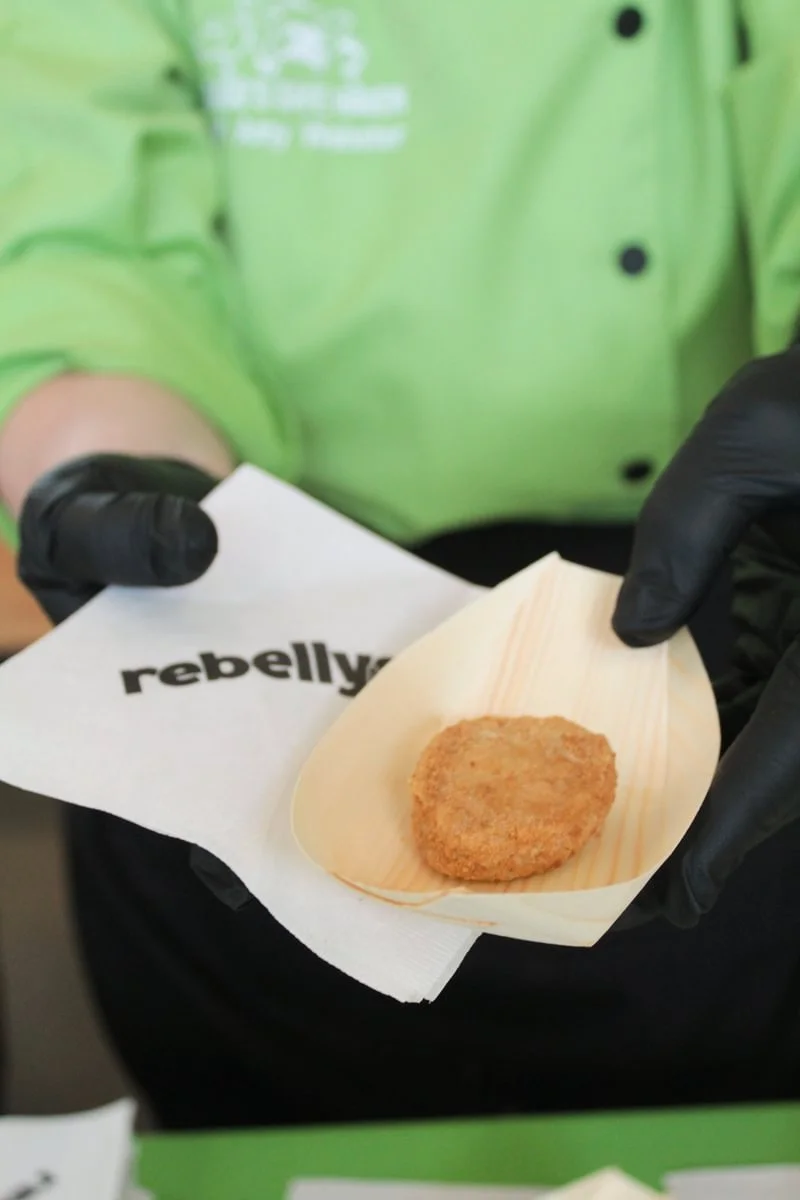
Introduce students to delicious plant-based foods through fun, free tasting events featuring USDA-approved menu items and student feedback opportunities.
Pop Ups
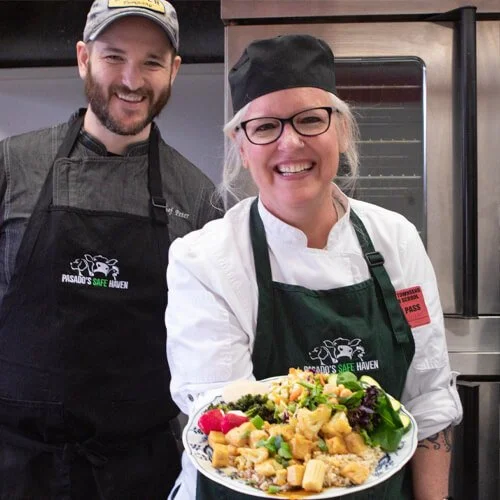
Transform your cafeteria for a day with a fully plant-based lunch service, provided at no-cost, along with training and support for your food service team.
Takeovers
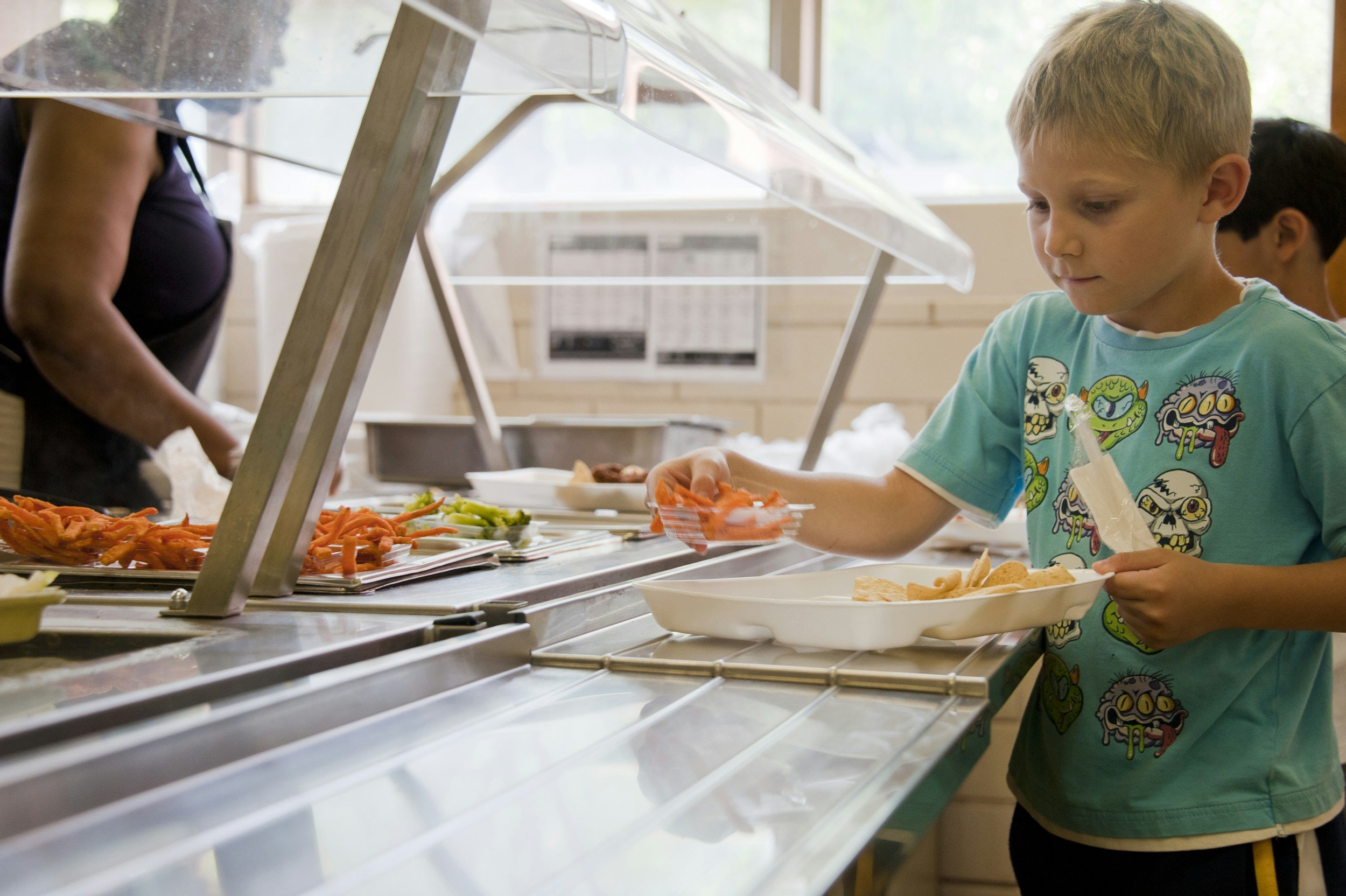
We're working with Washington lawmakers to make plant-based school meals a permanent, funded part of student nutrition, and to build the in-state supply chain that can meet the demand.
Policy
Inquire About Our Programs
Whether you're interested in bringing a Plant Powered program to your school, partnering with us, supporting policy efforts, or learning more about plant-based eating, we'd love to connect.
“The taste test responses from the students were so good that we will add the plant-based Orange Chicken to our upcoming menu!”
— Delene Andrew, Food & Nutrition Supervisor, Northshore School District
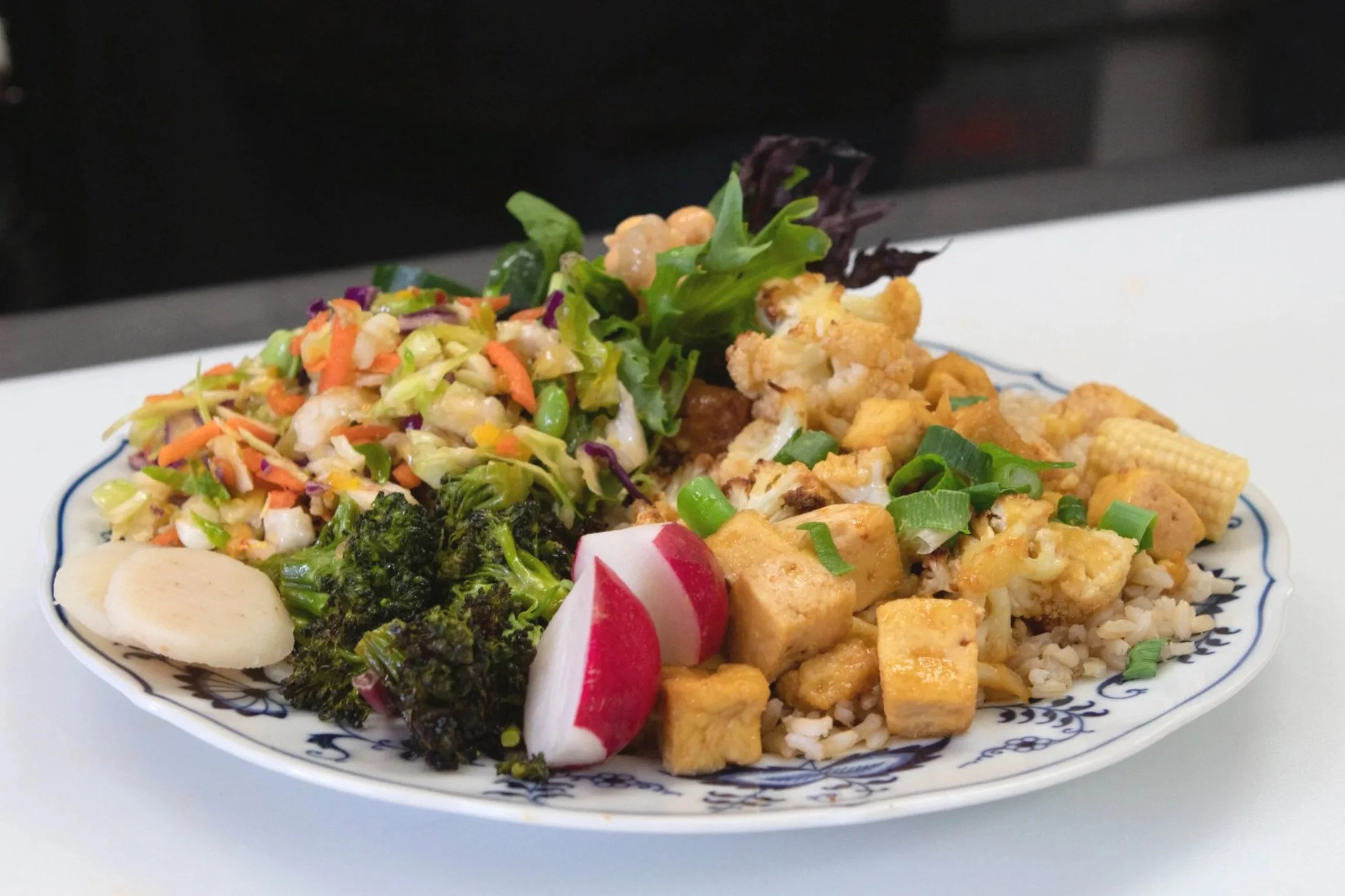
Why Plant Powered Foods?

Environmental Benefits
Plant-based foods generally have a smaller climate footprint than animal sourced foods (dairy, eggs, meat, poultry, seafood, and animal biproducts).
Supports Student Health
Well-planned plant-based diets are healthful, nutritionally adequate, and may even provide health benefits for the prevention and treatment of certain diseases.
Culturally Appropriate Meals
Providing plant-based menu offerings can make school meals more accessible to children who follow halal, kosher, and other cultural dietary practices.
Supports Local Agriculture
Washington has a bounty of local farmers and food businesses that are growing and selling plant-based protein foods, like lentils and soy products.
Helps Animals
Eating more plants helps animals who are typically used for food and can also lessen the rate of wild species extinction.
In the news
In the news
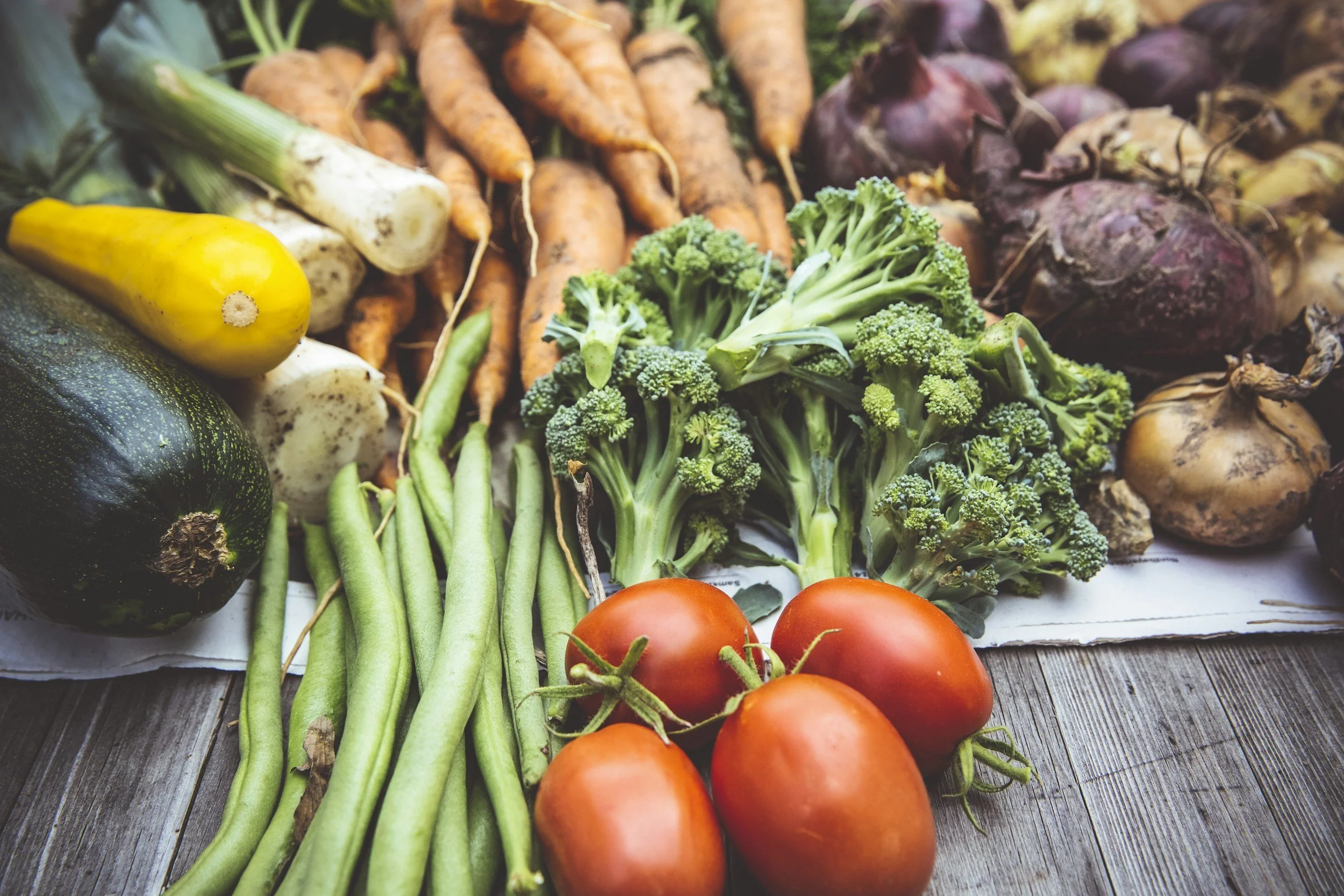
See how Plant Powered Washington is making headlines across the state:
FOX 13: Pasado's Safe Haven Teaches Vegan Cooking Classes
Seattle Times: Discussing plant-based choices with kids.
The Leader: Plant-based pop-up brings new meal options for students.
New Day NW: Try this 'cheesy' vegan breakfast bake.